SemNet Explorer – knowledge graph built on PubMed
Connecting biomedical knowledge graphs and language models for evidence-grounded mechanistic reports.
SemNet Explorer: An Evidence-Grounded Knowledge Graph–LLM Framework for Multi-Scale Mechanistic Reporting Across Biomedical Domains
Big Data and Cognitive Computing · 10(6), 171
Study overview
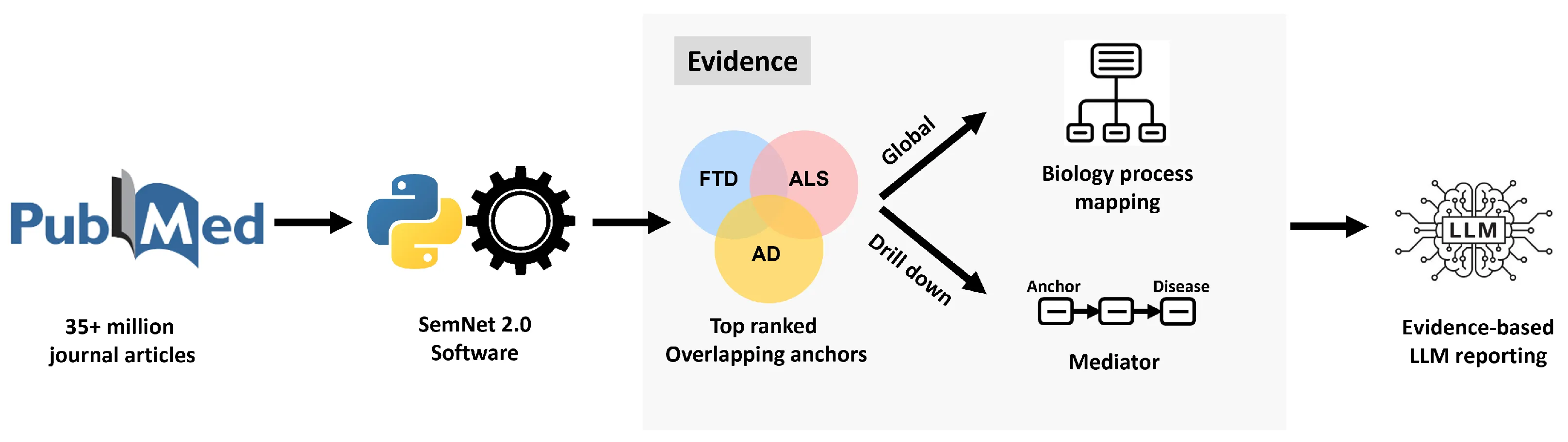
- Connected SemNet 2.0 knowledge-graph evidence to language-model reports using bounded two-hop paths from an anchor concept through a mediator to a disease.
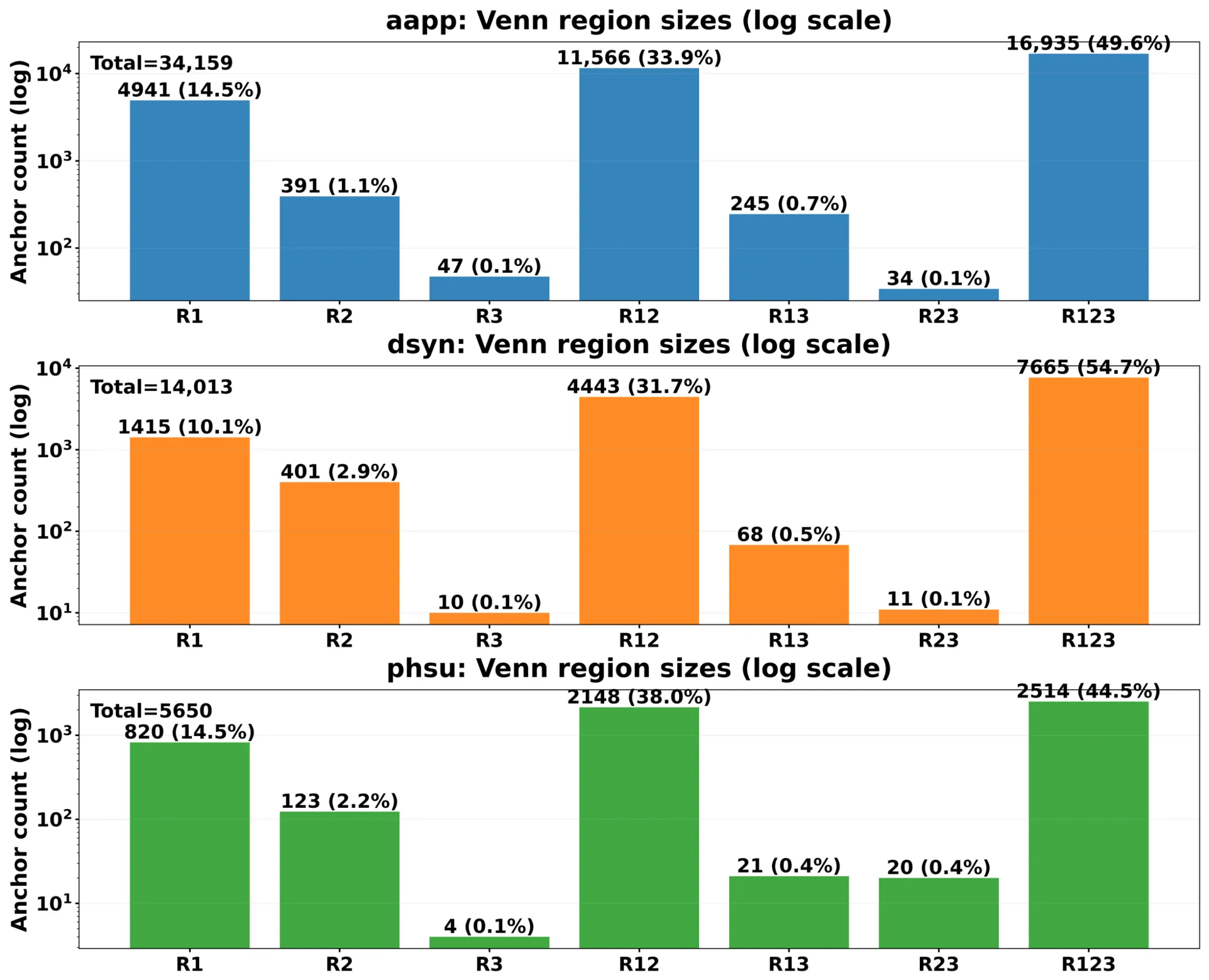
- Ranked anchors using path strength, HeteSim relatedness, and mediator count, then organized them into seven shared, pairwise, and disease-specific regions for global and anchor-level reporting.
Key findings
- The shared three-disease core and AD–ALS region together contained more than 80% of anchors in each molecular, disease, and pharmacological layer. These are graph distributions, not clinical prevalence estimates.
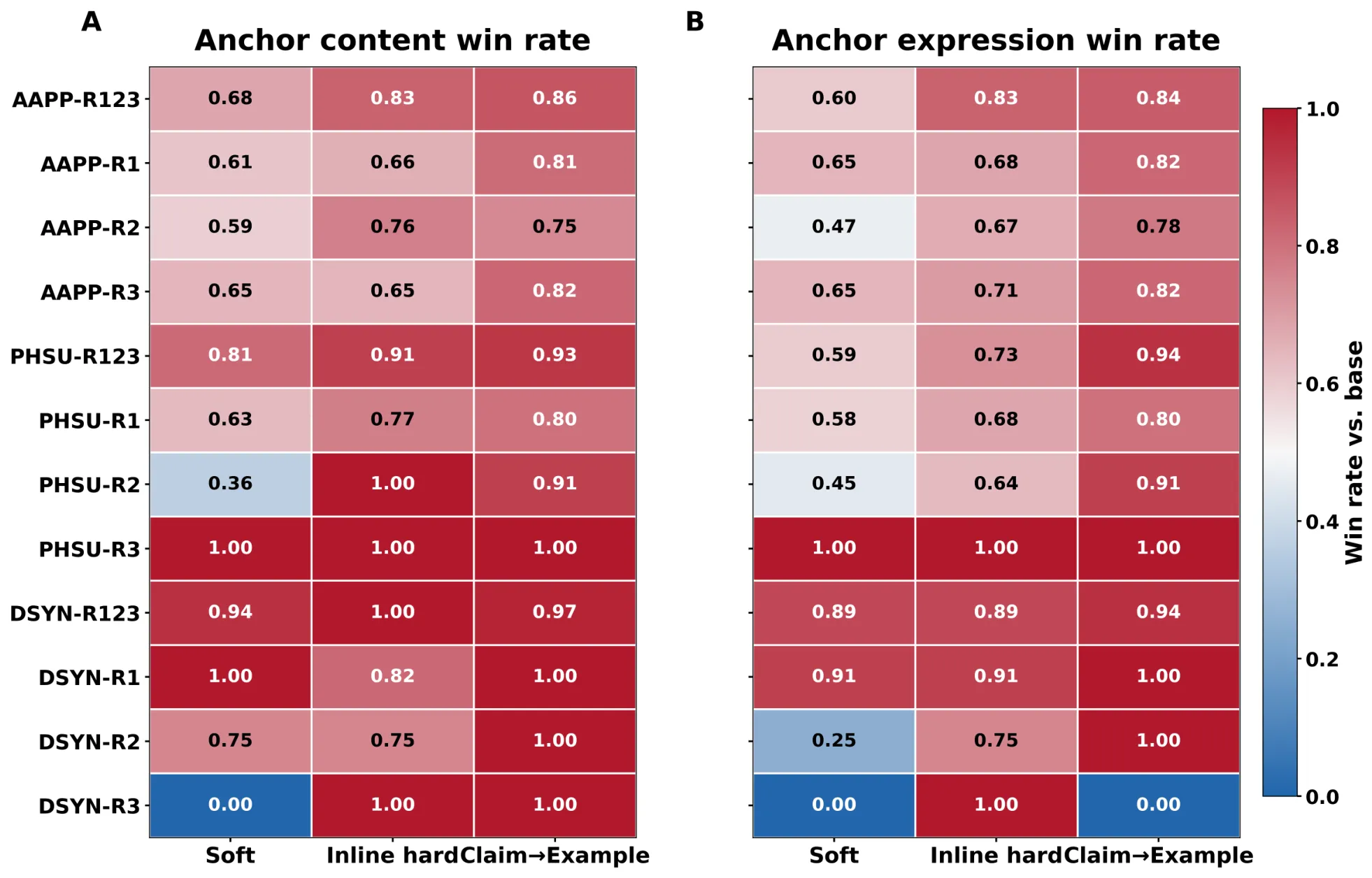
- In repeated LLM-judge comparisons, global grounding improved expression more consistently than judged content; local mediator grounding improved both measures more consistently, especially for molecular and drug concepts.
- Comparisons with earlier expert-curated SemNet studies were qualitative and sometimes only partial. LLM-judge preferences do not independently validate the proposed biology.
Figures